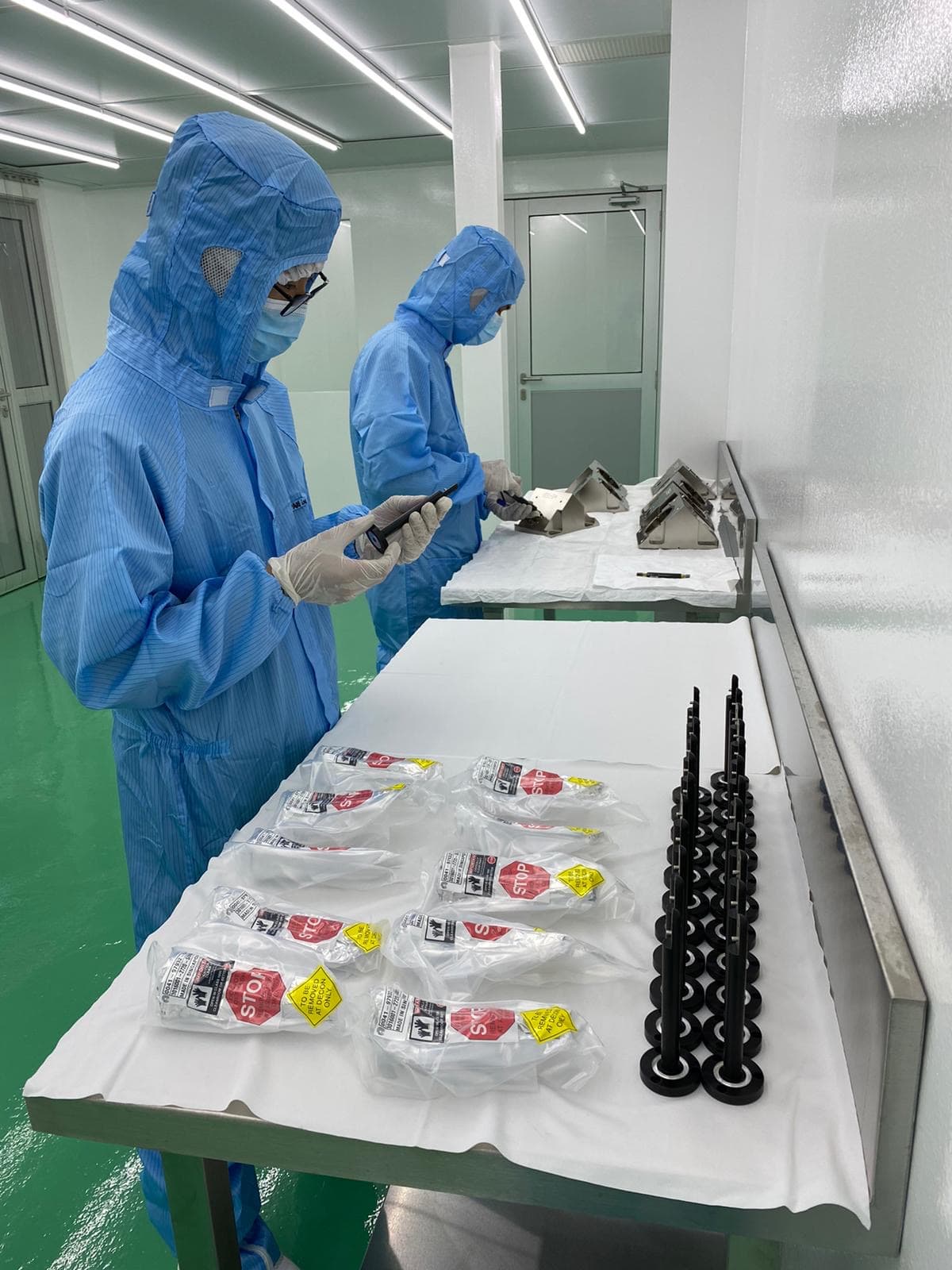
Cleanroom Assembly Services in Singapore: ISO Class 6–8 Mechanical Sub-Assembly
Mechanical sub-assembly of CNC machined parts in ISO Class 6, 7 and 8 cleanrooms, for semiconductor, medical and optics OEMs whose modules cannot tolerate particles, residues or handling damage. Parts are machined, ultrasonically cleaned, assembled with recorded torque, inspected and cleanroom double-bagged at one Jurong, Singapore facility, so they enter your controlled area without a second cleaning loop.
- Assembly roomsView detail →ISO Class 6 & 7
- Transfer & gowningView detail →ISO Class 8
- Tested toView detail →ISO 14644-1:2015
- PackagingView detail →Cleanroom double bag
- QualityView detail →ISO 9001:2015
Modules We Assemble
The cleanrooms exist to finish what the machine shop starts: machined components become clean, tested modules for these industries:
- Semiconductor equipment - Ultra-high-vacuum chamber lid and liner assemblies, gas distribution manifold modules, wafer-handling end-effectors and chuck modules, and chemical delivery valve blocks
- Medical devices - Surgical instrument sub-assemblies, orthopedic trial kits and diagnostic fluidic manifold assemblies in 316L, titanium and PEEK
- Optics & photonics - Multi-element lens barrel assemblies, mirror and beam-splitter mounts, laser cavity housings and optomechanical alignment benches
Cleanroom Environments & Parameters
Positive-pressure cleanroom suites tested to ISO 14644-1:2015 for each designated classification:
| Room | ISO Classification | Particulate Limit (≥0.5 µm) | Target Applications | Key Controls |
|---|---|---|---|---|
| Assembly Room 1 | ISO Class 6Class 1,000 (Fed Std 209E) | ≤ 1,000 / ft³ | Semiconductor vacuum chamber and manifold modules, wafer-handling end-effectors, medical device sub-assemblies | HEPA laminar flow, positive pressure, torque-recorded assembly, cleanroom double bagging |
| Assembly Room 2 | ISO Class 7Class 10,000 (Fed Std 209E) | ≤ 10,000 / ft³ | Optomechanical lens barrels, laser housings, mirror mounts and precision sensor sub-assemblies | Torque-calibrated fastening, optical alignment, SmartScope metrology |
| Material Transfer Room | ISO Class 8Class 100,000 (Fed Std 209E) | ≤ 100,000 / ft³ | Ultrasonic DI cleaning, filtered dry air blow-off, component staging and wipe-down | Multi-stage ultrasonic wash line, pass-through hatches |
| Change Room | ISO Class 8Class 100,000 (Fed Std 209E) | ≤ 100,000 / ft³ | Gowning and personnel airlock | Air shower, sticky mats, pressure cascade into the assembly rooms |
Cleanroom Assembly Capabilities
Cleaning, assembly, verification and packaging controls we quote against as standard. Customer-specific cleanliness or packaging specifications are reviewed at DFM.
| Specification | Capability |
|---|---|
| Cleanroom classes | ISO Class 6, ISO Class 7 and ISO Class 8Assembly Room 1 (ISO 6), Assembly Room 2 (ISO 7), Material Transfer Room and Change Room (ISO 8). |
| Certification | Tested to ISO 14644-1:2015 by a NEBB-certified cleanroom testing firmAir cleanliness verified at ≥0.5 µm in the at-rest occupancy state; positive pressure cascade with HEPA filtration. |
| Pre-assembly cleaning | Multi-stage ultrasonic wash with heated neutral detergent and DI water rinseFollowed by filtered dry air blow-off in the ISO 8 transfer room before parts enter the assembly rooms. |
| Assembly operations | Torque-controlled fastening, press-fits, bearing, O-ring and seal installation, optical alignmentTo documented SOPs and traveler sheets; calibrated torque tools with recorded values. |
| Verification | Torque audit, optical particulate spot audit, CMM and SmartScope dimensional checksInspection plan agreed at quotation and recorded per unit or lot. |
| Packaging | Heat-sealed, ESD-safe cleanroom-grade polyethylene double bagInner cleanroom bag plus outer shipping barrier for dock-to-cleanroom transfer at your site. |
| Materials handled | Aluminium, stainless steel, titanium, Invar, PEEK, PEI, PTFE and procured hardwareCutting-fluid selection at machining planned for cleanability; outgassing-sensitive materials flagged at DFM. |
| Traceability | Lot or serial-level recordsCleaning batch, assembly traveler, torque record and packaging record retained under ISO 9001:2015. |
End-to-End Cleanroom Manufacturing Process
Contamination-sensitive components need controls at every stage, from cutting-fluid selection during machining to the final heat seal. Shine maintains documented standard operating procedures across the whole workflow:
- Precision machining and deburring: Multi-axis milling and turning with cutting fluids selected for cleanability, followed by controlled deburring of every edge.
- Multi-stage ultrasonic DI cleaning: Heated detergent degreasing, ultrasonic cavitation and deionised water rinsing to remove fluids, fines and residues.
- Airlock transfer and gowning: Operators gown through the air-shower change room; materials enter through the ISO 8 transfer room and pass-through hatches after filtered dry air blow-off.
- Mechanical assembly: Calibrated torque-controlled fastening, pin press-fitting, bearing installation, O-ring and seal placement and optical alignment to the traveler.
- Inspection and verification: Torque audit, CMM or SmartScope dimensional verification and optical particulate spot audit, recorded per unit or lot.
- Double-bag packaging: Heat seal in ESD-safe cleanroom bags, then an outer barrier bag, labelled to your part number for dock-to-cleanroom transfer.
What to Specify on the Drawing
Cleanroom work goes smoothly when the assembly drawing or specification states the following. Where it does not, we propose values at DFM:
- Cleanliness requirement - target ISO class for assembly and any particle count or residue limit for the finished module
- Cleaning method restrictions - materials or coatings that must not see ultrasonic cleaning or specific detergents
- Torque values and sequence - per fastener, plus thread-locking or lubricant restrictions in vacuum or medical applications
- Material and outgassing limits - permitted plastics, elastomers, greases and adhesives
- Packaging and labelling - bag type, number of layers, label content and orientation or protection needs
For a specifier's view of particle shed, outgassing and chemical compatibility on semiconductor drawings, read our guide on CNC machining for semiconductor equipment.
Quality Documentation Delivered With Every Lot
Cleanroom modules ship with the machined-part records plus the assembly and cleaning records a program needs:
First Article Inspection (FAI)
Setup approval measured on Zeiss CMM before a production run is released.
Dimensional inspection report
100% or AQL sampling report against the drawing, per customer inspection plan.
Mill Test Certificate (MTC)
Raw material chemistry and mechanical properties, traceable to the lot.
Certificate of Conformance (CoC)
Issued with every shipment under the ISO 9001:2015 quality system.
Assembly traveler & torque record
Operation-by-operation build record with recorded torque values and operator sign-off.
Cleaning & packaging record
Cleaning batch and bag lot recorded against the module serial or lot.
Metrology equipment, calibration schedules, and complete inspection workflows are detailed under quality & compliance.
Volumes & Typical Lead Times
Cleanroom integration incorporates ultrasonic cleaning, precision assembly, and verified packaging alongside standard component machining lead times:
Prototypes & first articles
Fast-track evaluation parts with DFM feedback and CMM inspection. Expedite on request.
Low-volume production
Dedicated fixturing, First Article Inspection, full lot traceability.
Volume production
Dedicated fixturing and automated cells for recurring batches, SPC on control dimensions, then scheduled blanket releases.
Typical lead times from purchase order receipt and approved drawings; every project is quoted with a confirmed delivery schedule. Monthly capacity exceeds 10,000 machined parts across the 50+ machine fleet. Blanket orders can be released weekly or monthly to your production line; discuss delivery schedules with engineering.
Cleanroom Assembly Engineering Review & Proposal
Connect directly with our Singapore engineering team for technical feasibility evaluation, DFM analysis, and itemized quotation within 24 to 48 hours:
Technical Package Specifications
- Target ISO cleanliness class (ISO Class 6–8) and particle/residue specifications
- Assembly drawings and BOM with torque values, build sequence, and lubricant restrictions
- Cleanroom packaging protocols (double vacuum bagging, ESD-safe bags, labeling)
Deliverables Provided (24–48 Hours)
- Itemized quotation with unit and batch pricing and confirmed delivery schedule
- Engineering DFM analysis (fixturing, tolerances, and cost optimization recommendations)
- Quality inspection plan proposal (Zeiss CMM metrology reporting, FAI scope)
Frequently Asked Questions
What cleanroom classifications does Shine Precision operate?
Shine operates ISO Class 6 (Class 1,000), ISO Class 7 (Class 10,000) and ISO Class 8 (Class 100,000) cleanrooms at its Jurong, Singapore facility: two assembly rooms at ISO 6 and ISO 7, plus an ISO 8 material transfer room and change room. The rooms are tested to ISO 14644-1:2015 air cleanliness limits by a NEBB-certified cleanroom testing firm.
Are the cleanrooms certified, and by whom?
The rooms are performance-tested by an independent, NEBB-certified cleanroom testing firm and issued a certificate of compliance to ISO 14644-1:2015 for the designated ISO class of each room, measured in the at-rest state. NEBB (the National Environmental Balancing Bureau) certifies the testing firm and its professionals; the certificate is available under quality and compliance and can be supplied with your supplier qualification file.
What cleaning is performed before cleanroom assembly?
All machined and procured hardware passes through multi-stage ultrasonic wash tanks with heated neutral detergent and deionised water rinsing to remove cutting fluids, fines and residues, followed by filtered dry air blow-off in the ISO Class 8 transfer room before transfer into the ISO 6 and ISO 7 assembly rooms.
How are cleanroom-assembled parts packaged for shipment?
Finished sub-assemblies are heat-sealed in ESD-safe, cleanroom-grade polyethylene double bags: an inner cleanroom bag plus an outer shipping barrier. Parts arrive at your cleanroom dock ready for bag-in transfer without a second cleaning loop.
Can you machine and assemble in the same facility?
Yes, and this is the point of the service. Components are machined on the main floor with cutting fluids chosen for cleanability, cleaned, then assembled and packaged in the cleanrooms at the same Jurong site. One quality system, one traveler and one accountable supplier cover the part from billet to bagged module.
Explore Other Manufacturing Services
All services →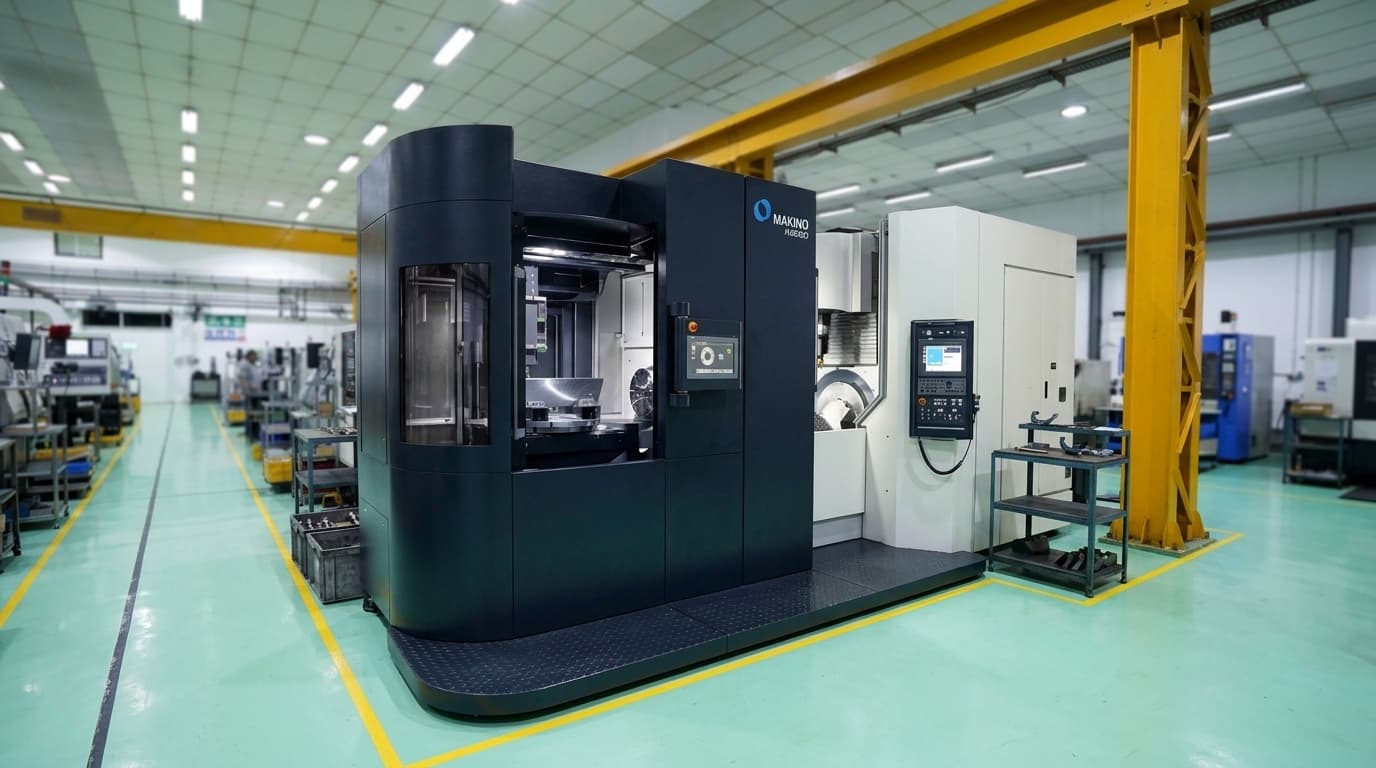
5-Axis CNC Machining
Simultaneous 5-axis milling for complex 3D contoured parts and tight tolerances to ±0.010mm.
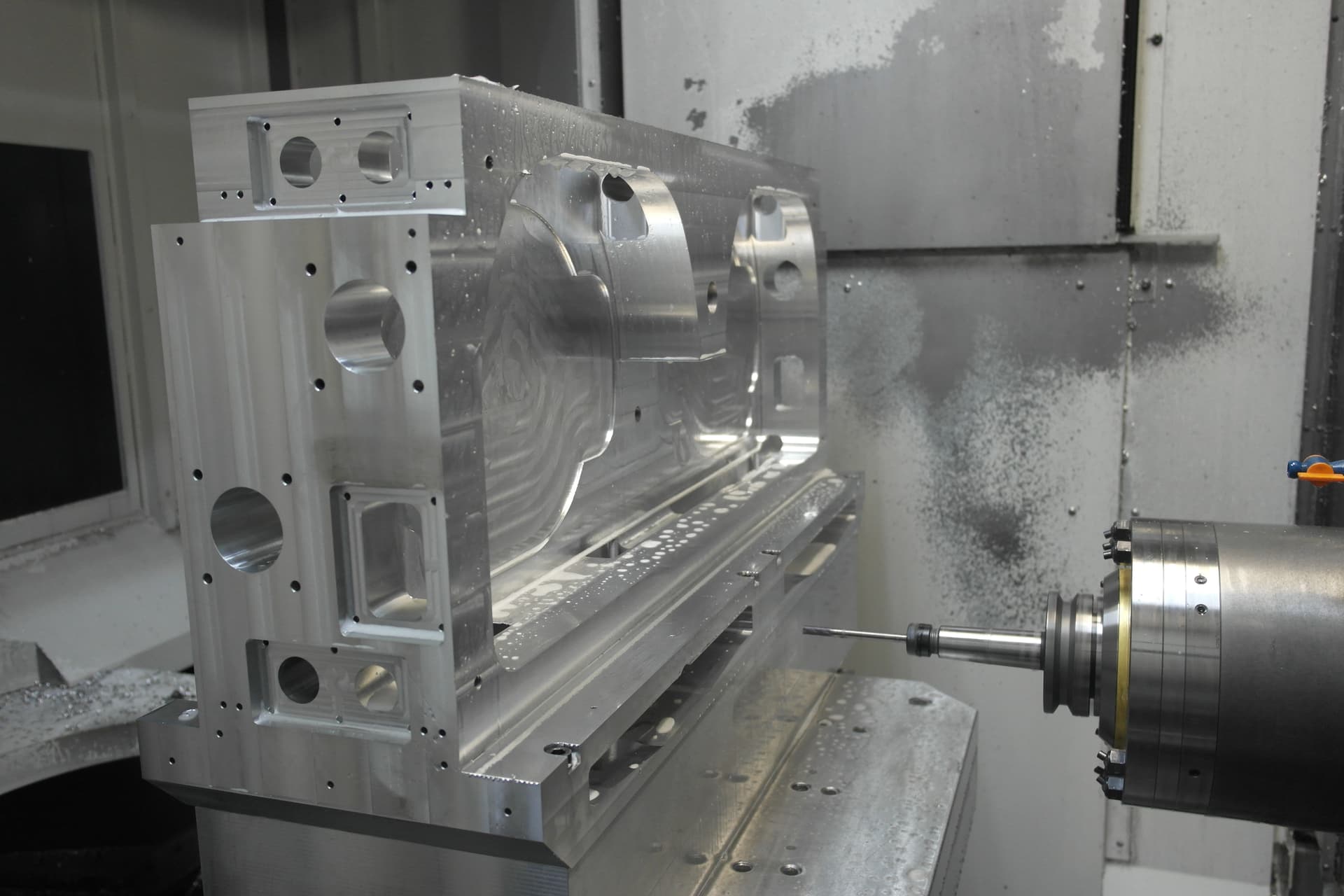
CNC Milling
High-speed 3- & 4-axis milling for prismatic enclosures, cold plates, and precision brackets.
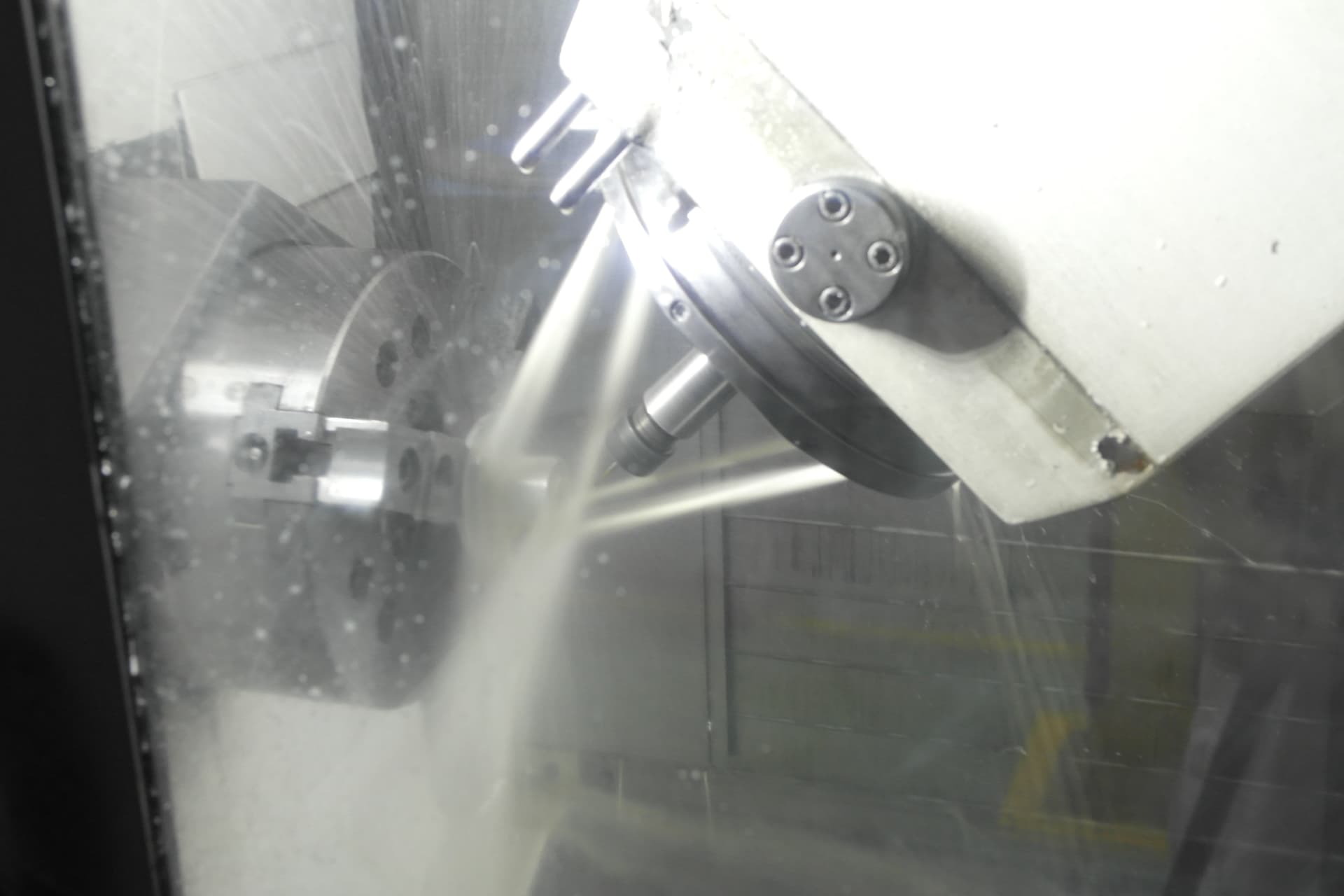
CNC Turning
Multi-axis live-tooled turning for shafts, cylinders, and rotational parts up to 650mm diameter.
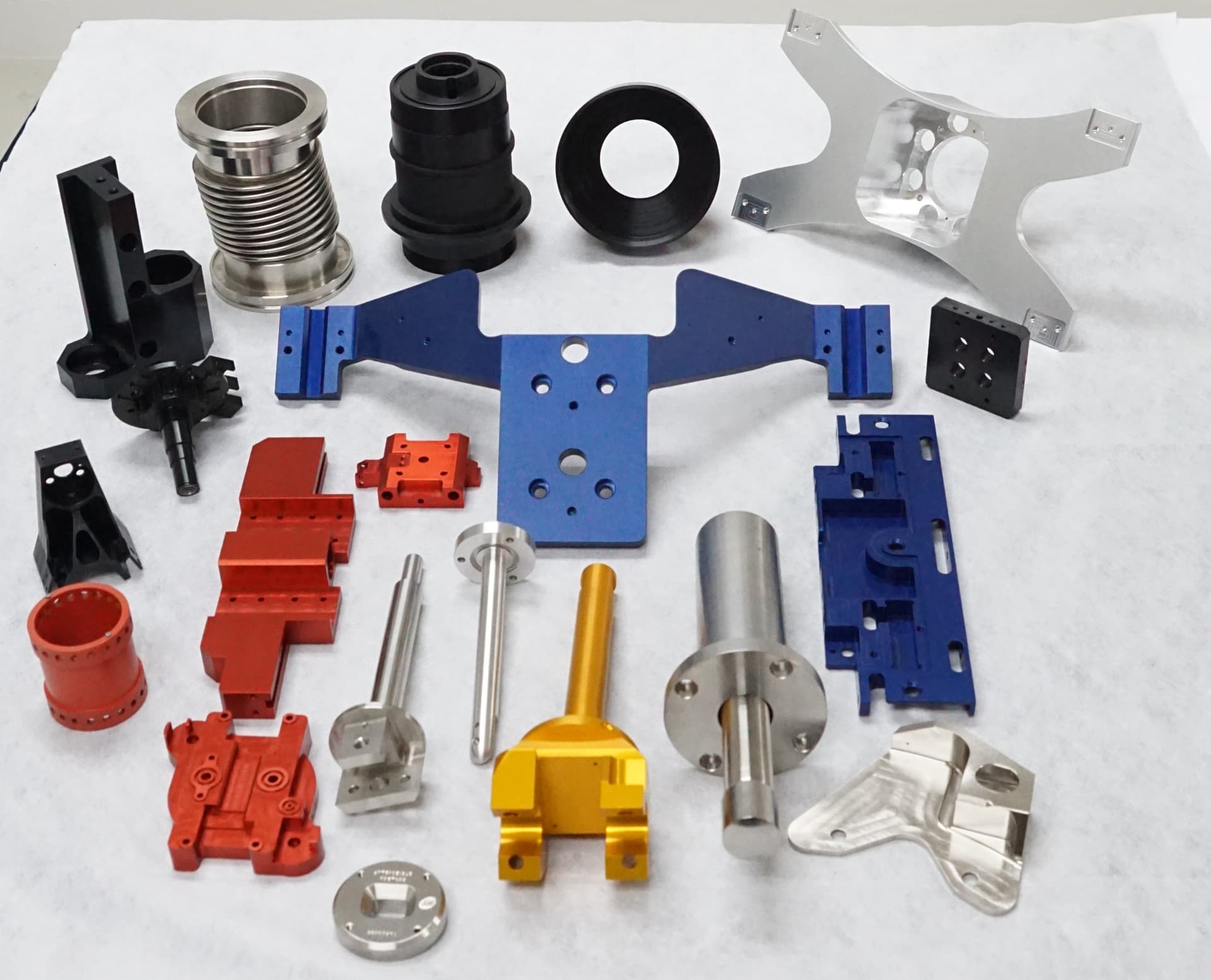
Surface Finishing & Anodizing
Managed Type II/III anodizing, Alodine, electroless nickel plating & passivation with CAM coating allowances.
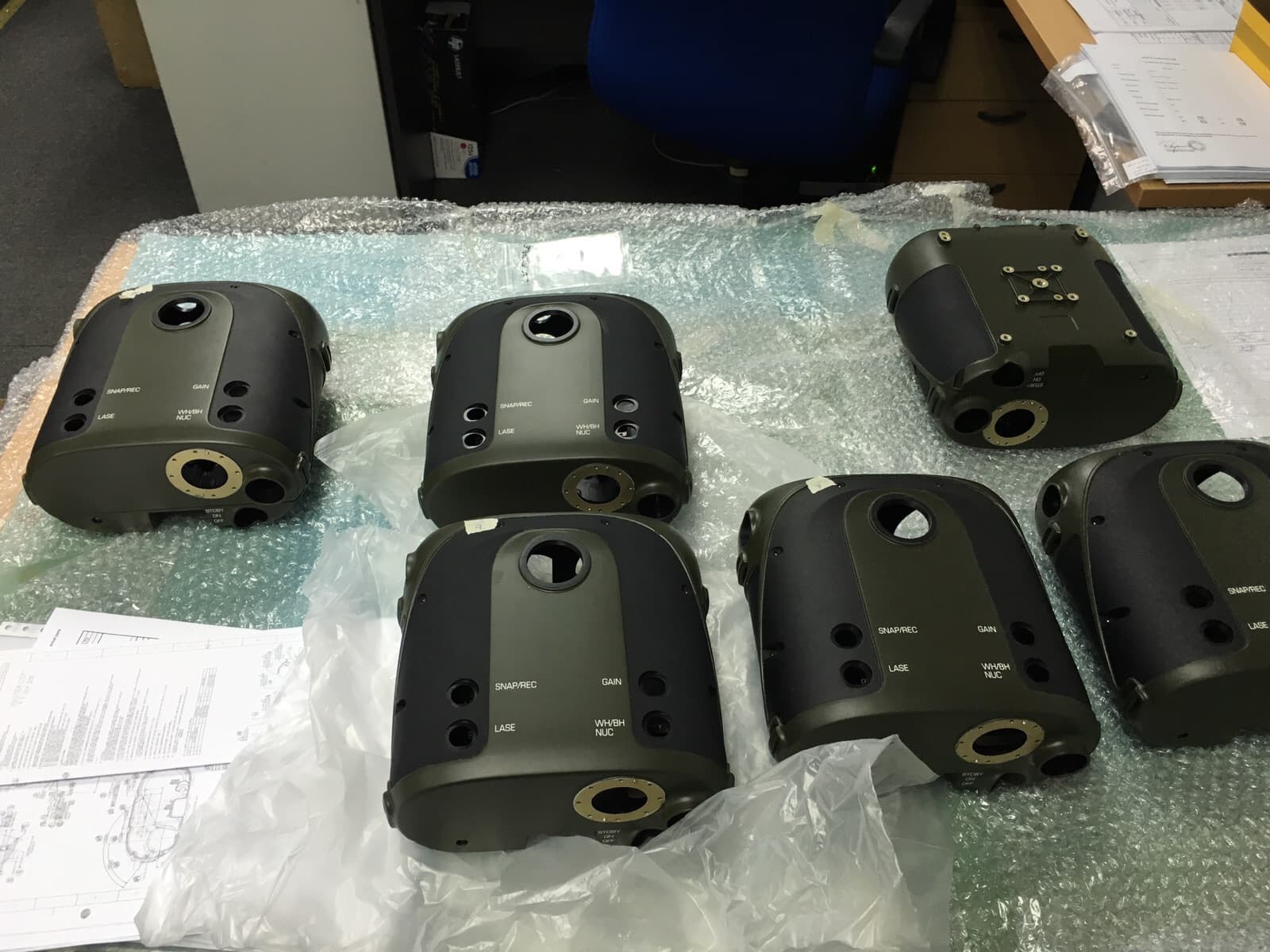
Turnkey Contract Manufacturing
Single-source contract manufacturing managing BOM sourcing, machining, assembly, and testing.
Industries Relying on Cleanroom Assembly
All industries →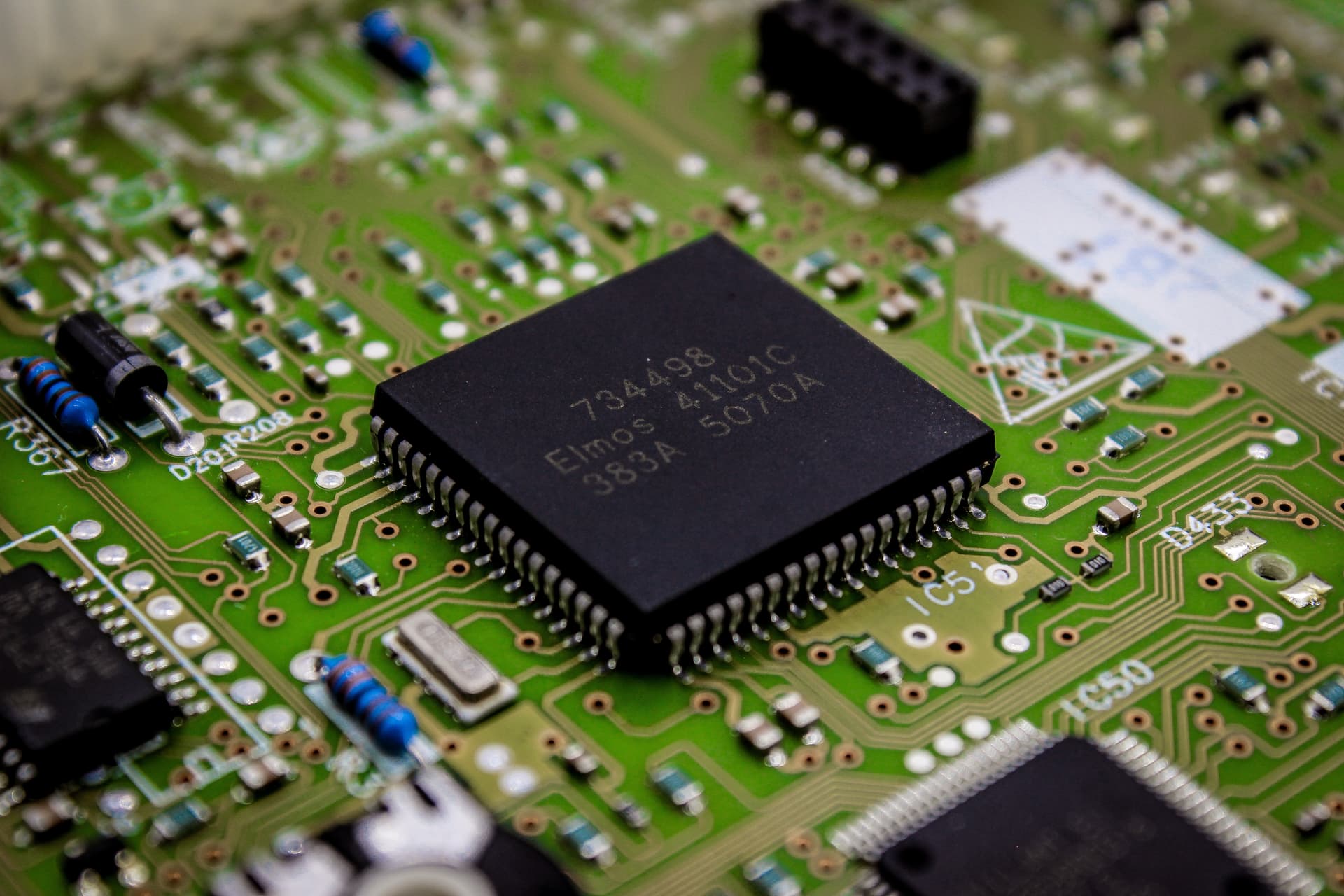
Semiconductor
Ultra-precision vacuum chambers, gas distribution manifolds & wafer handling tooling.
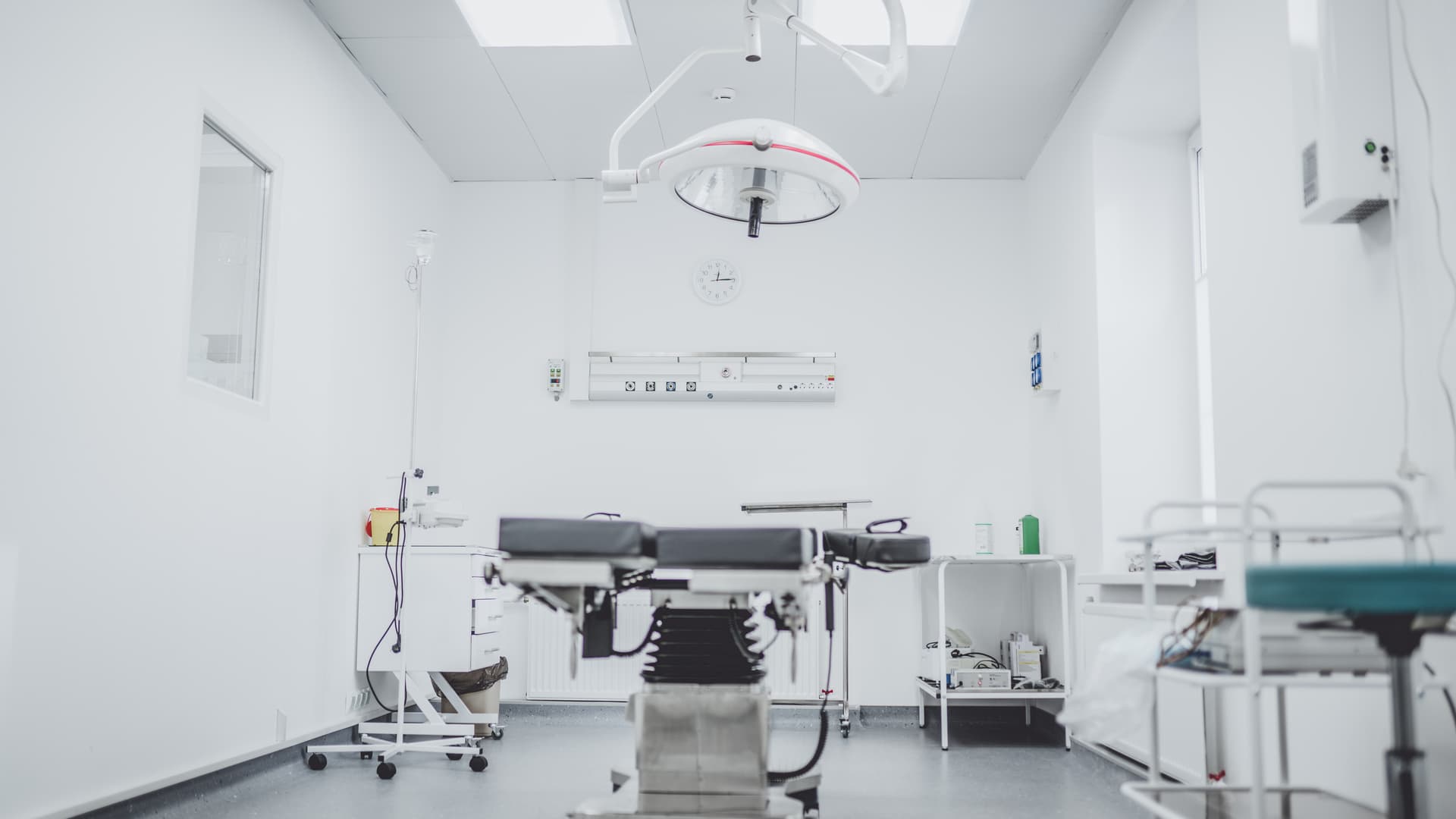
Medical
Precision surgical instruments, orthopedic trial components & diagnostic fluidic manifolds.

Optics & Photonics
High-stability Invar 36 laser benches, threaded lens barrels & optical mounts.

Automotive & EV
EV battery cooling plates, high-conductivity busbars & powertrain components.

Oil & Gas
Severe-service valve bodies, downhole sensor housings & subsea connectors.
Speak with Our Cleanroom Engineering Team
Connect with our Singapore engineering team to review cleanroom assembly protocols, ISO Class 6–8 packaging requirements, mutual NDAs, or contract manufacturing proposals.
- Mutual NDA executed within 24 hours
- ISO 9001:2015 certified & Cyber Essentials mark
- 24–48h engineering DFM feedback & formal RFQ pricing