5-Axis CNC Machining Services in Singapore
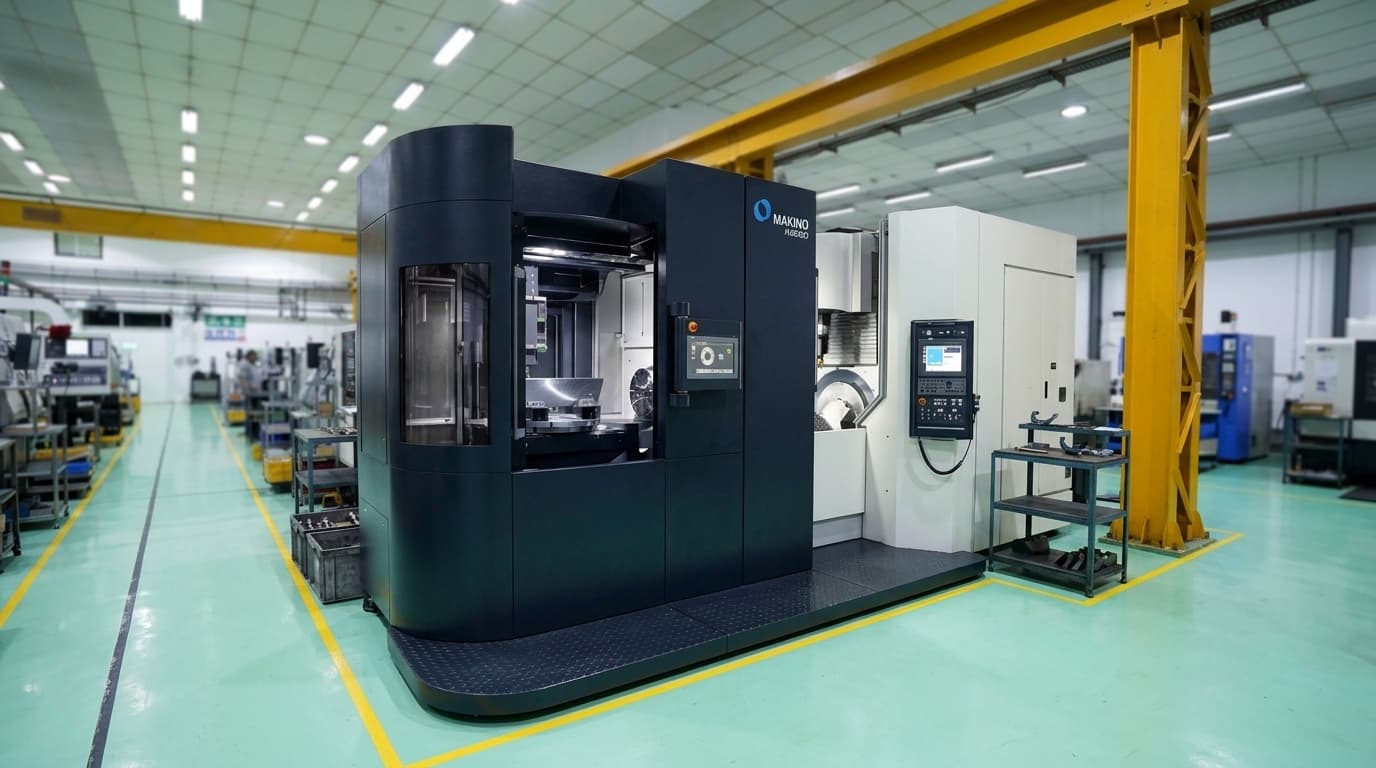
Shine provides simultaneous 5-axis CNC machining utilizing high-precision Makino DA500 (with 6-pallet automation) and Matsuura MX-520 vertical machining centers. We produce complex prismatic components, sculpted 3D geometries, multi-sided vacuum manifolds, and tight-tolerance housings (±0.010 mm) in a single setup for semiconductor, medical, optics, and industrial OEMs worldwide.
- Critical toleranceView detail →±0.010 mm
- AutomationView detail →6-pallet system (DA500)
- FinishView detail →Ra 0.4 µm
- MachinesView detail →Makino DA500 · Matsuura MX-520
- QualityView detail →ISO 9001:2015
Why Choose Simultaneous 5-Axis CNC Machining?
Traditional 3-axis or 4-axis machining requires multiple setups and dedicated fixtures to access all sides of a complex part. Every time a workpiece is unclamped and repositioned, re-fixturing and datum errors accumulate. Simultaneous 5-axis machining positions or continuously cuts across five axes in a single clamping, preserving true position, perpendicularity, and surface finish.
- Single-Clamping Accuracy (Done-in-One) - Machine five sides of a complex component in one setup, eliminating fixture stack-up error and shortening lead times. On the DA500, six fixtured pallets queue for unattended multi-part machining.
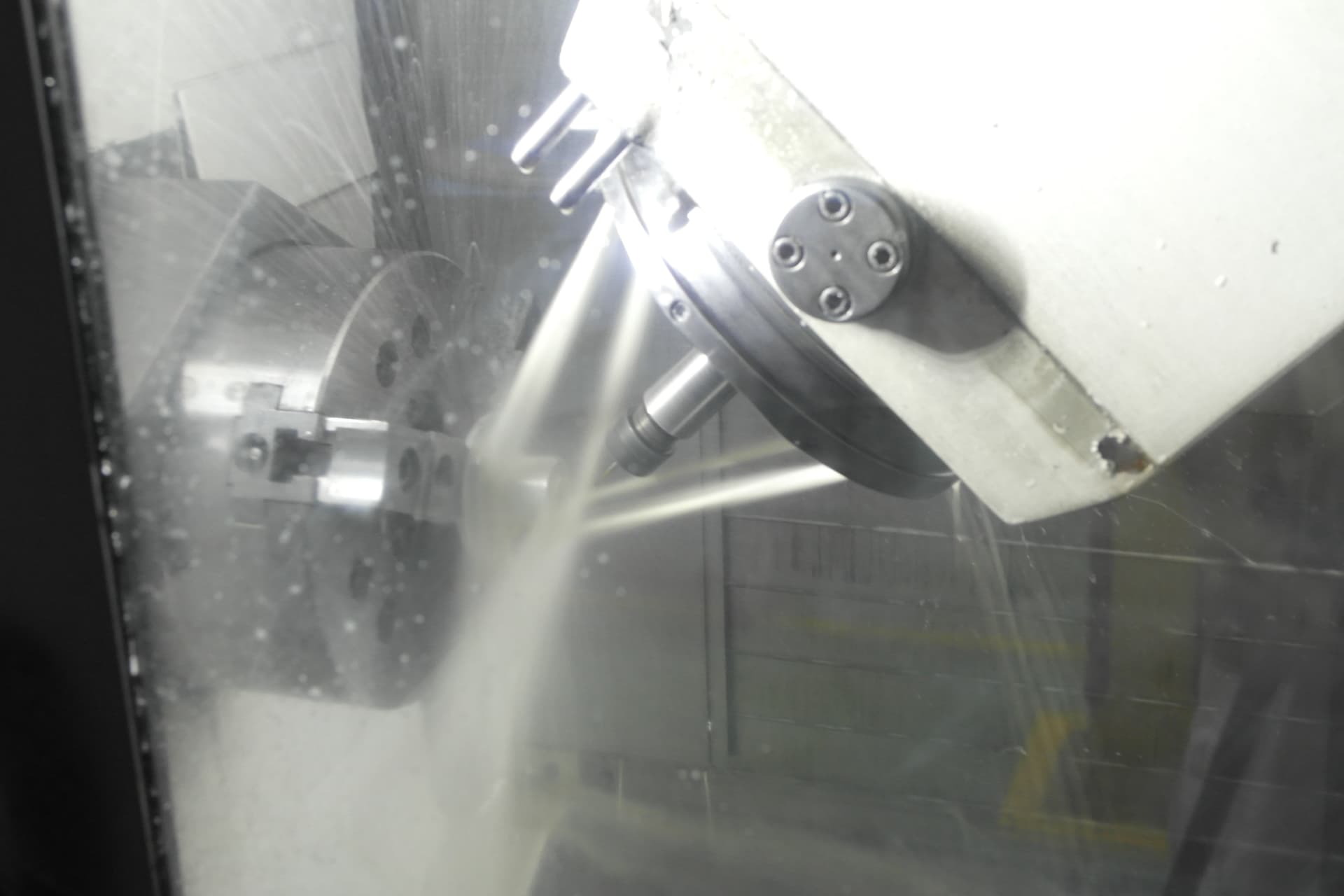
- Shorter, Rigid Tooling - Tilting the cutter or workpiece allows shorter endmills and boring bars to reach deep cavities without deflection or chatter, holding tighter tolerances and finer surface finishes (down to Ra 0.4 µm).
- Continuous 3D Contouring & Compound Angles - Simultaneous 5-axis kinematics enable smooth machining of impellers, optical lens housings, and complex angled manifold ports.
- In-Process Touch Probing - Integrated optical touch probes measure datums and critical features in-machine before Zeiss CMM verification.
Typical 5-Axis Machined Components
- Semiconductor equipment - Multi-port vacuum process chambers, gas distribution manifolds, wafer-handling robot arms and fluidic distribution blocks with features on five sides
- Optics & photonics - Optomechanical lens barrels with compound-angle ports, Invar 36 laser benches, mirror mounts and gimbal housings
- Medical devices - Titanium surgical guide instruments, orthopedic implant trial housings and PEEK diagnostic fluid manifolds with sculpted surfaces
- Oil & gas and industrial - Inconel 718 valve bodies, multi-port hydraulic manifolds and robotics structural linkages with intersecting angled bores
5-Axis Machining Capabilities
Machines, envelope, tolerances and process controls we quote against as standard. Larger prismatic parts up to 1,600 × 1,200 × 600 mm run on our 3- and 4-axis milling centres.
| Specification | Capability |
|---|---|
| Machining centers | Makino DA500 vertical 5-axis · Matsuura MX-520 vertical 5-axisDA500: high-rigidity 5-axis vertical platform with a 6-pallet automated work-handling system. MX-520: simultaneous 5-axis vertical center. |
| Workpiece envelope | DA500: 800 × 900 × 550 mm travels, workpieces to Ø800 × 500 mm · MX-520: Ø520 × 350 mmDA500: up to 680 mm vertical spindle clearance with 6-pallet automation. MX-520: 630 × 650 × 510 mm travels with single-clamping five-sided access. |
| Machining modes | Simultaneous 5-axis and 3+2 positionalContinuous contouring for sculpted surfaces; 3+2 for multi-sided prismatic parts at lower cycle cost. |
| Standard tolerance | ±0.025 mm (±0.001 in) |
| Critical features | ±0.010 mm (±0.0004 in)True position, concentricity and perpendicularity across sides, in temperature-controlled conditions with in-process probing. |
| Surface finish | Ra 0.4 µm on contoured and sealing facesShort rigid tooling reaches deep cavities without chatter. |
| Spindle | 20,000 RPM HSK-A63 on the DA500High-pressure through-spindle coolant for deep holes in titanium and superalloys. |
| In-process metrology | Optical touch probing of datums and features in-machineBefore final Zeiss CMM verification. |
| Automation | 6-pallet automated work handling (DA500)Fixtured pallets queue for multi-pallet machining; setups are reduced and repeatability across batches improves. |
Standard tolerances apply to metals; engineering plastics are quoted per material. Simple prismatic parts are quoted on 3- or 4-axis centres where that is the lower-cost route.
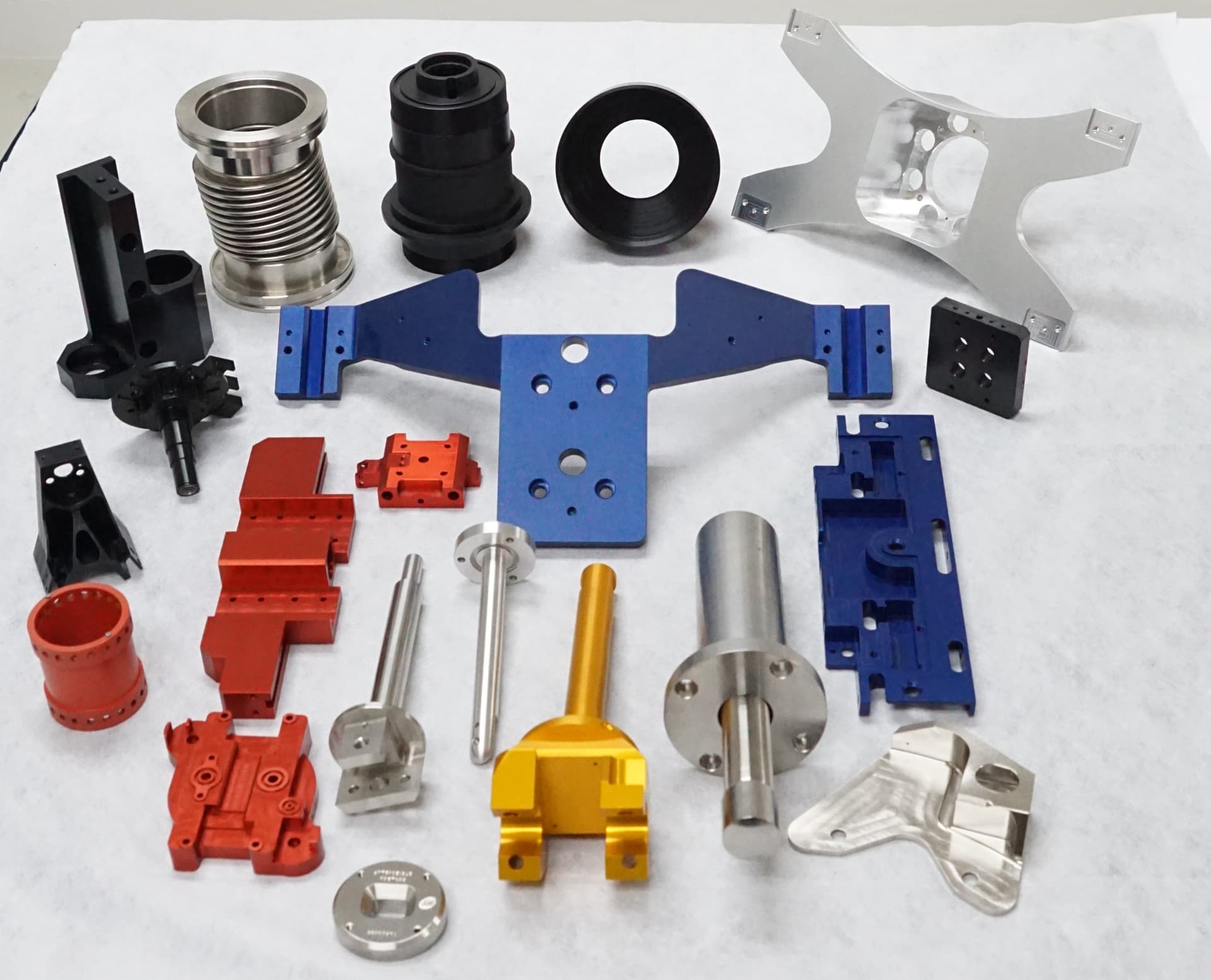
Machined Sample Gallery
Materials for 5-Axis CNC Machining
We machine over 50 grades of certified metals and engineering plastics with 100% material lot traceability:
5-Axis Metals & Superalloys
Aluminium (6061-T6, 7075-T6), Stainless Steels (304, 316L, 17-4 PH), Titanium Ti-6Al-4V, Inconel 718, Invar 36, and Tool Steels (D2, H13).
5-Axis Engineering Plastics
PEEK, Delrin POM, Ultem PEI, PTFE Teflon, Radel PPSU, Polycarbonate, and FR4 glass-epoxy composites.
Finishing & Secondary Operations
Five-sided parts are the hardest to mask and the most expensive to scrap after coating, so the finishing chain is planned at CAM. Coating allowances for Type III hardcoat, electroless nickel and Alodine are machined into critical bores and sealing faces, threads and datums are masked, and thickness is verified on return. Process specifications and masking options are detailed under surface finishing & anodizing.
Quality Documentation Delivered With Every Lot
Five-axis parts carry the most GD&T on the drawing, so the inspection plan is agreed at quotation. Every lot ships with:
First Article Inspection (FAI)
Setup approval measured on Zeiss CMM before a production run is released.
Dimensional inspection report
100% or AQL sampling report against the drawing, per customer inspection plan.
Mill Test Certificate (MTC)
Raw material chemistry and mechanical properties, traceable to the lot.
Certificate of Conformance (CoC)
Issued with every shipment under the ISO 9001:2015 quality system.
In-process probe record
Datum and feature verification captured in-machine before the part leaves the fixture.
Metrology equipment, calibration schedules, and complete inspection workflows are detailed under quality & compliance.
Volumes & Typical Lead Times
Five-axis is not only for prototypes. The DA500's 6-pallet system and in-process probing let complex parts run efficiently in recurring production batches, with the same lead-time bands as the rest of the floor:
Prototypes & first articles
Fast-track evaluation parts with DFM feedback and CMM inspection. Expedite on request.
Low-volume production
Dedicated fixturing, First Article Inspection, full lot traceability.
Volume production
Dedicated fixturing and automated cells for recurring batches, SPC on control dimensions, then scheduled blanket releases.
Typical lead times from purchase order receipt and approved drawings; every project is quoted with a confirmed delivery schedule. Monthly capacity exceeds 10,000 machined parts across the 50+ machine fleet. Blanket orders can be released weekly or monthly to your production line; discuss delivery schedules with engineering.
5-Axis CNC Engineering Review & RFQ
Connect directly with our Singapore engineering team for technical feasibility evaluation, DFM analysis, and itemized quotation within 24 to 48 hours:
Technical Package Specifications
- 2D drawing with GD&T, datum scheme (A/B/C), and critical tolerances & 3D CAD model
- Surface finish specifications on cosmetic, sealing, or optical datum planes
- Material certification requirements (MTC, RoHS) and target batch/annual volume
Deliverables Provided (24–48 Hours)
- Itemized quotation with unit and batch pricing and confirmed delivery schedule
- Engineering DFM analysis (fixturing, tolerances, and cost optimization recommendations)
- Quality inspection plan proposal (Zeiss CMM metrology reporting, FAI scope)
Frequently Asked Questions
What is the difference between simultaneous 5-axis and 3+2 positional machining?
In 3+2 positional machining, the cutting tool is locked at fixed tilt angles (A and B axes) while the X, Y, and Z axes execute the cut. In simultaneous 5-axis machining, all five axes move concurrently, enabling continuous curvature cutting, sculpted aerodynamic surfaces, complex impellers, and uninterrupted multi-sided toolpaths without seam lines.
What tolerances can Shine achieve with 5-axis CNC machining?
Standard production tolerances are ±0.025 mm (±0.001 in). On critical features, under temperature-controlled workshop conditions and with in-process probing, Shine regularly holds ±0.010 mm (±0.0004 in) on geometric dimensions, true position, and concentricity across complex multi-sided parts.
Which features can hold ±0.010 mm, and which cannot?
Datum bores, dowel locations, bearing seats, sealing faces and the relationship between features cut in the same clamping are held to ±0.010 mm. Features across a re-clamp, thin walls that deflect under cutting load, and long unsupported surfaces are quoted at standard tolerance or reviewed individually at DFM. We mark this on the quote so the inspection plan matches what the process can prove.
When is 5-axis cheaper than 3-axis machining with fixtures?
When a part has features on three or more faces, compound-angle holes or sculpted surfaces. A 5-axis machine carries a higher hourly rate, but it removes the engineering time to design and build multiple fixtures, the handling between setups, and the scrap caused by stacked re-clamping error. For simple prismatic parts with features on one or two faces, 3-axis or 4-axis milling is cheaper, and we quote it that way.
What materials do you machine on your 5-axis machining centers?
We machine all high-strength metals and engineering polymers on our 5-axis machining centers, including Aluminium 6061-T6 and 7075-T6, Stainless Steels (304, 316L, 17-4 PH), Titanium Grade 5 (Ti-6Al-4V), Inconel 718/625, Invar 36, Tool Steels (D2, H13), PEEK, Delrin POM, and Ultem PEI with 100% material lot traceability.
Explore Other Manufacturing Services
All services →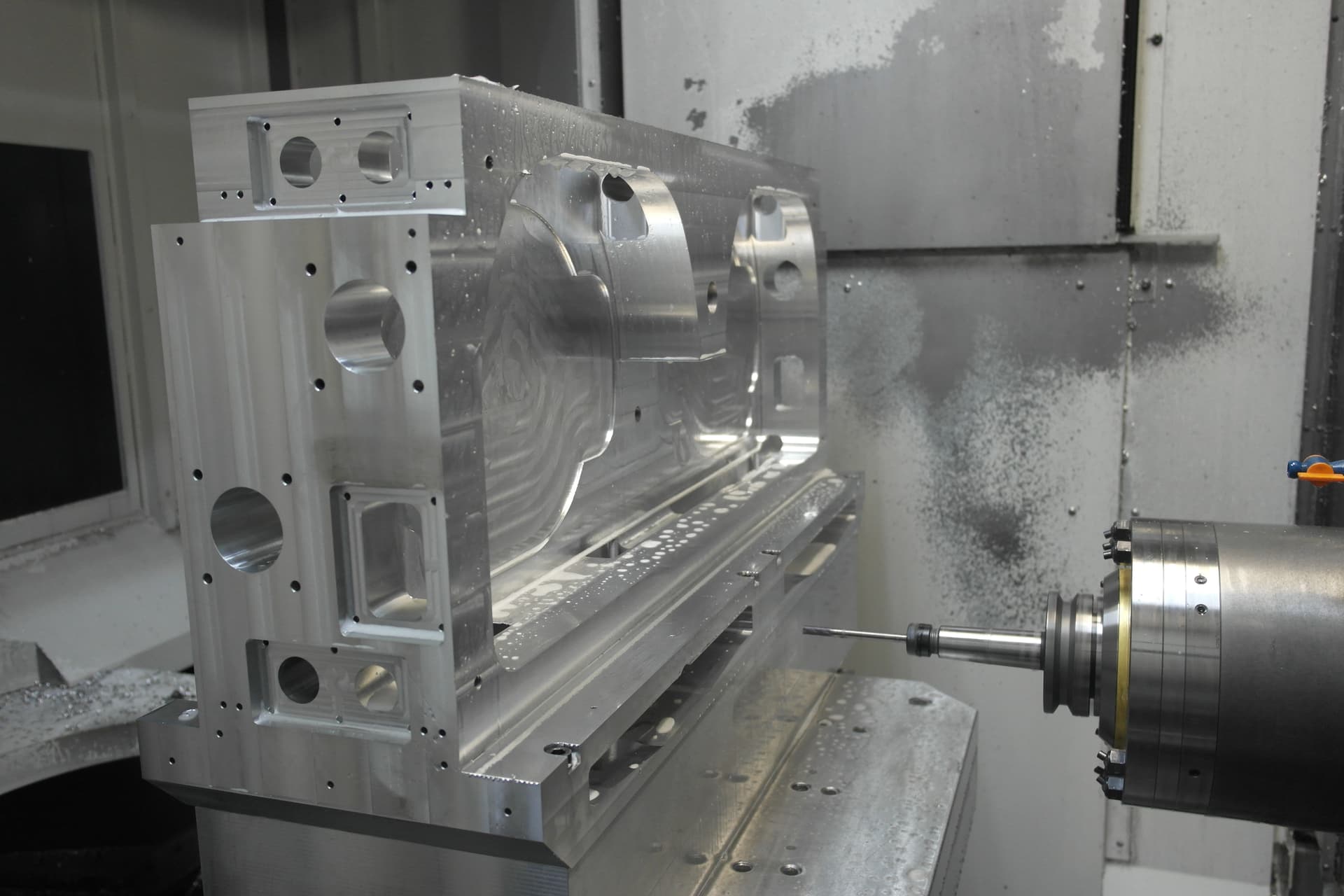
CNC Milling
High-speed 3- & 4-axis milling for prismatic enclosures, cold plates, and precision brackets.
CNC Turning
Multi-axis live-tooled turning for shafts, cylinders, and rotational parts up to 650mm diameter.
Surface Finishing & Anodizing
Managed Type II/III anodizing, Alodine, electroless nickel plating & passivation with CAM coating allowances.
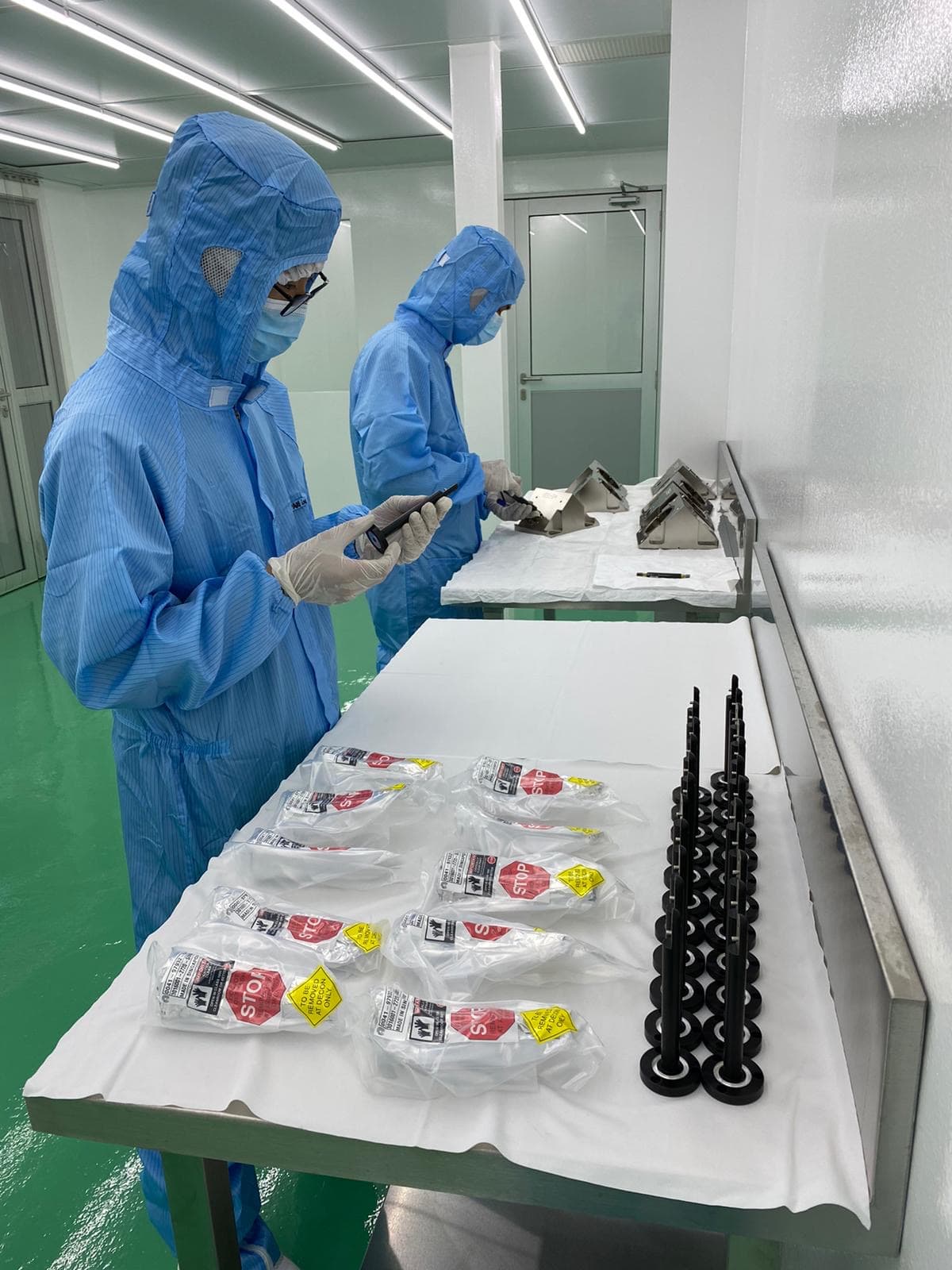
Cleanroom Assembly
ISO Class 6–8 cleanroom mechanical assembly, ultrasonic DI water cleaning, and ESD double-bagging.
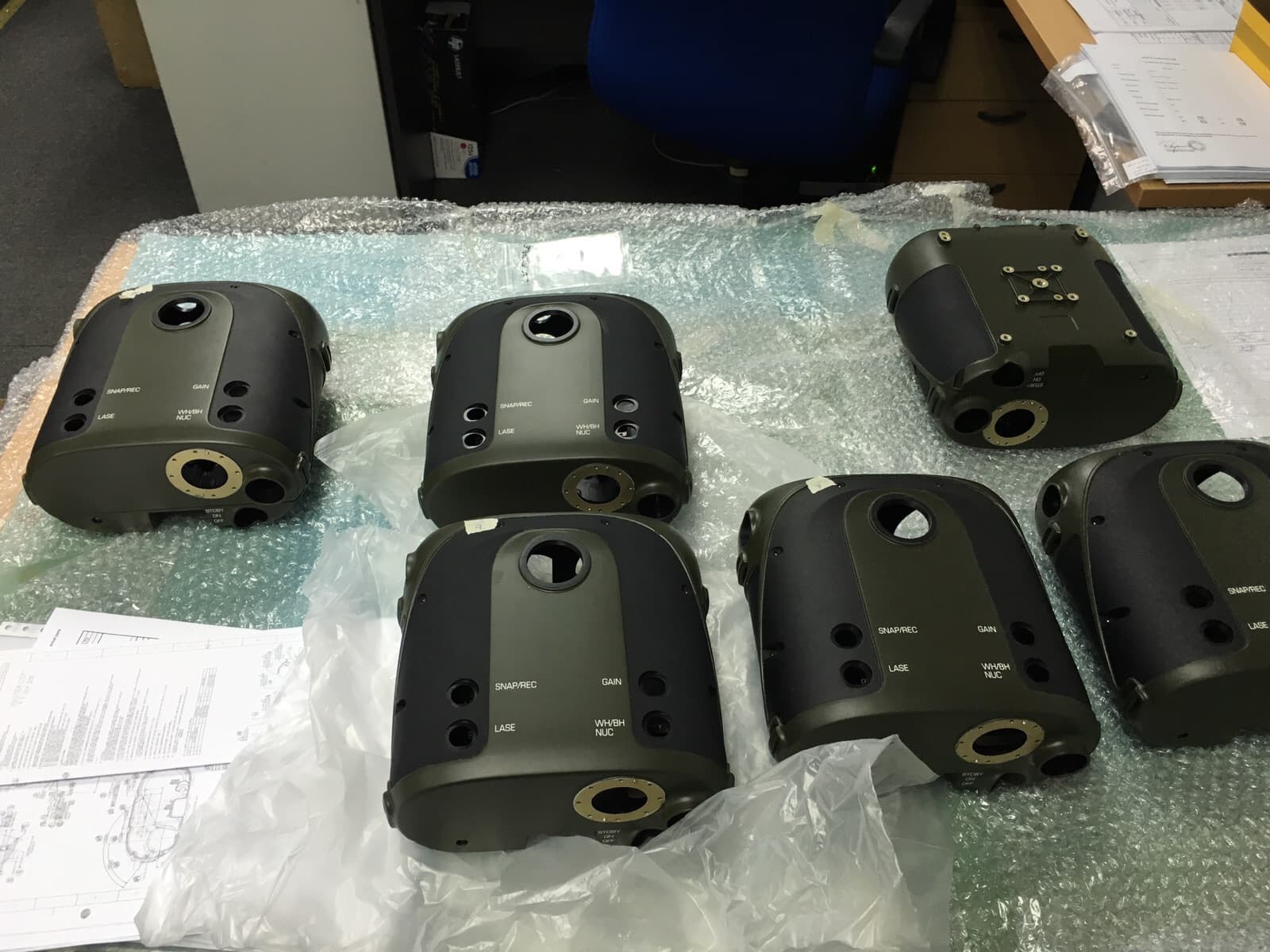
Turnkey Contract Manufacturing
Single-source contract manufacturing managing BOM sourcing, machining, assembly, and testing.
Industries Using 5-Axis Machined Parts
All industries →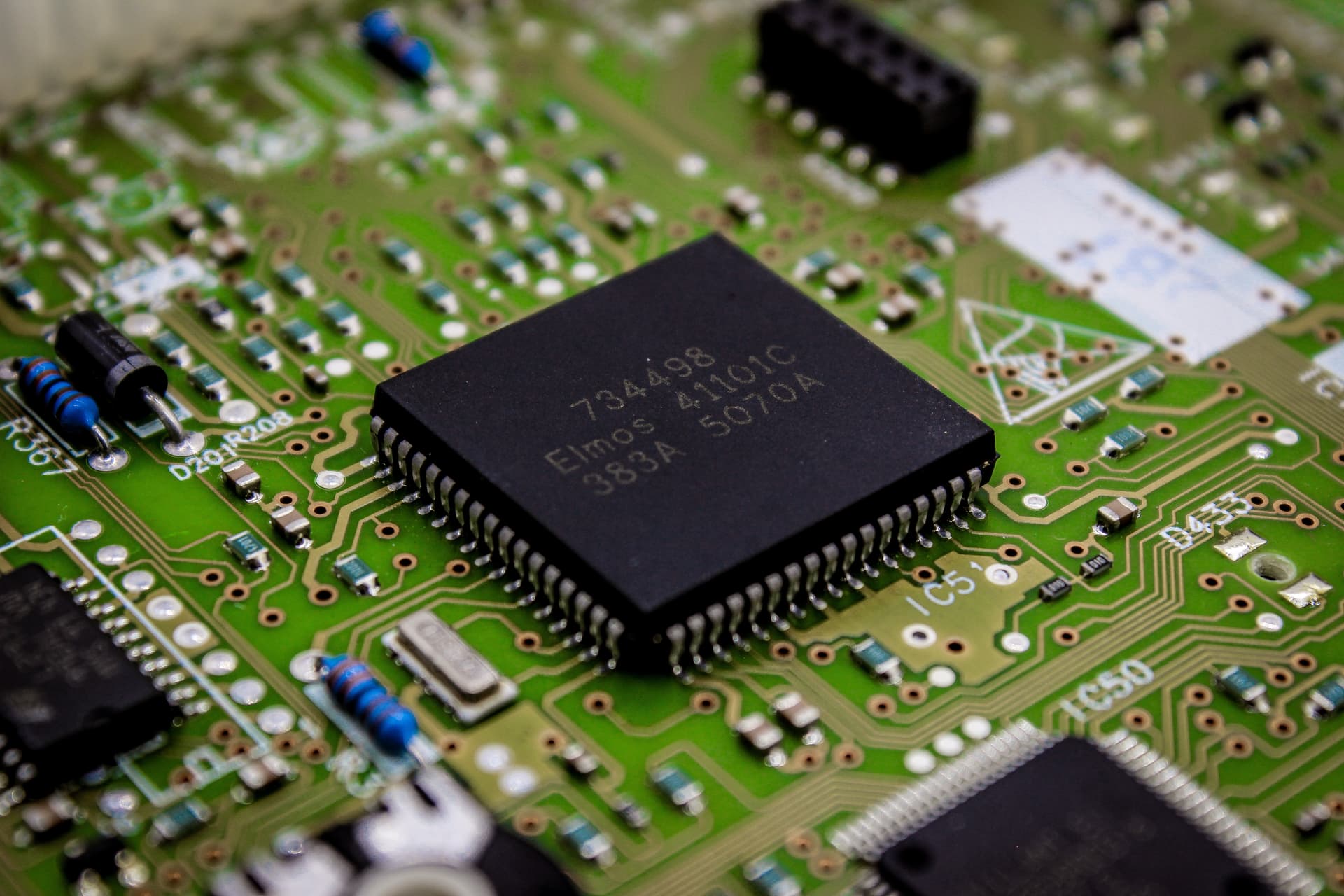
Semiconductor
Ultra-precision vacuum chambers, gas distribution manifolds & wafer handling tooling.

Medical
Precision surgical instruments, orthopedic trial components & diagnostic fluidic manifolds.

Optics & Photonics
High-stability Invar 36 laser benches, threaded lens barrels & optical mounts.

Automotive & EV
EV battery cooling plates, high-conductivity busbars & powertrain components.
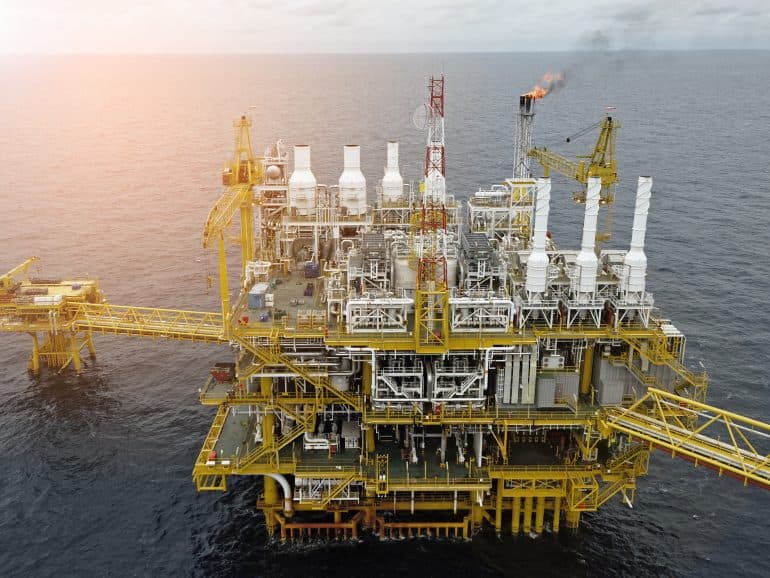
Oil & Gas
Severe-service valve bodies, downhole sensor housings & subsea connectors.
Speak with Our 5-Axis Machining Specialists
Connect with our Singapore engineering team for technical feasibility review, DFM consultation, mutual NDA execution, or 5-axis production pricing within 24 to 48 hours.
- Mutual NDA executed within 24 hours
- ISO 9001:2015 certified & Cyber Essentials mark
- 24–48h engineering DFM feedback & formal RFQ pricing